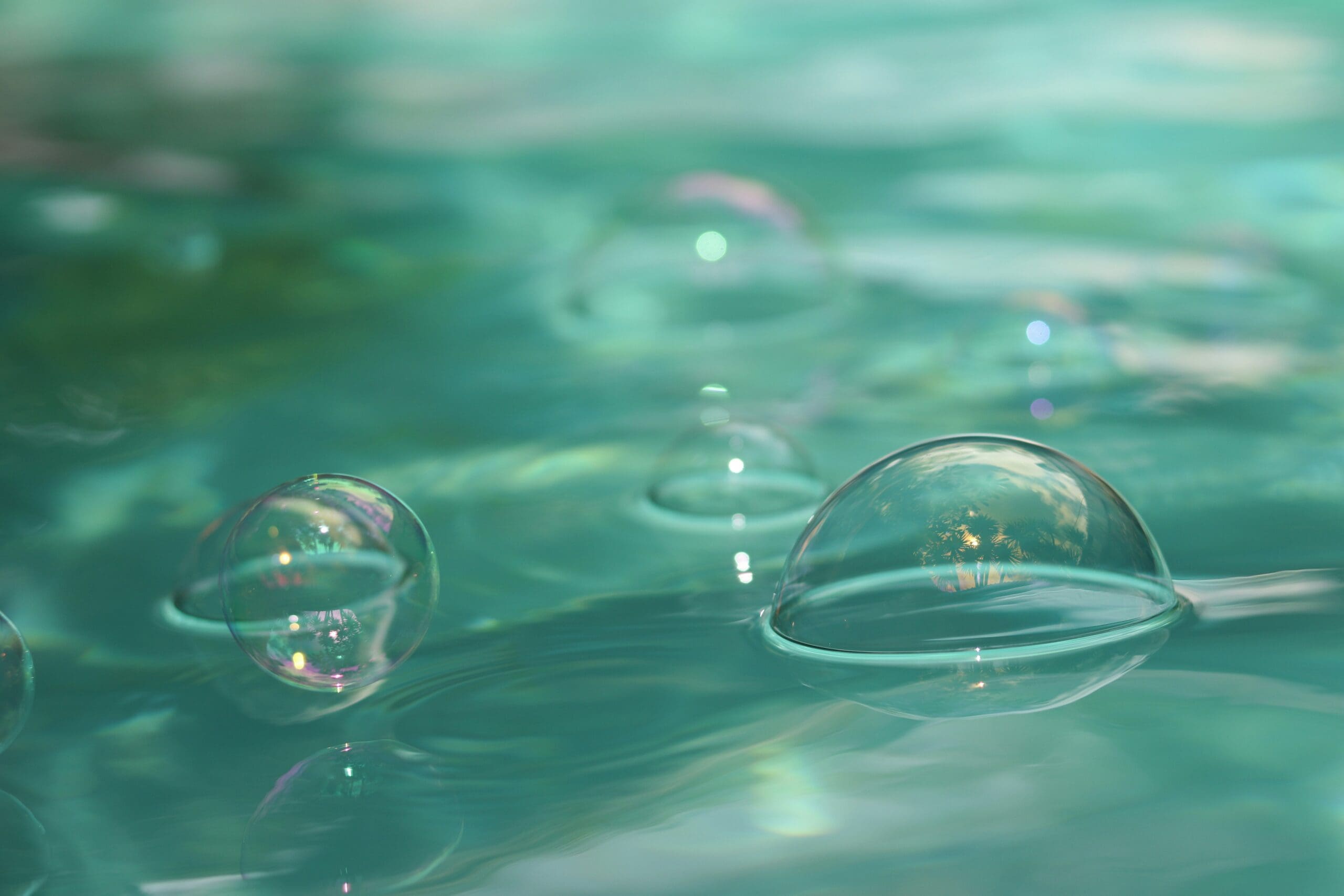

Microfluidics is an exciting field that deals with the manipulation and control of tiny amounts of fluids. It has found applications in various industries, ranging from healthcare and pharmaceuticals to chemical engineering and environmental analysis. One common challenge faced in microfluidic systems is the presence of bubbles, which can disrupt the fluid flow and lead to inaccurate results. To overcome this issue, engineers have developed a clever solution known as a bubble trap.
Le rôle des pièges à bulles dans les systèmes microfluidiques
When working with microfluidics, it is crucial to maintain a bubble-free environment to ensure reliable and precise results. Bubble traps play a vital role in achieving this by capturing and removing unwanted bubbles from the system. These traps act as efficient filters that prevent bubbles from flowing downstream and ensuring smooth fluid flow within the microchannels.
Un aspect important des pièges à bulles est leur emplacement au sein du système microfluidique. Le positionnement stratégique des pièges aux points où les bulles sont les plus susceptibles de se former, comme près des virages serrés ou des intersections dans les microcanaux, peut améliorer considérablement leur efficacité. De plus, la taille et la géométrie des pièges jouent un rôle crucial dans la détermination de leur efficacité de capture des bulles. L'optimisation de ces facteurs garantit une performance optimale pour des applications spécifiques.
De plus, les matériaux utilisés dans la construction des pièges à bulles sont essentiels à leur fonctionnalité. Les matériaux doivent être sélectionnés en fonction de leur compatibilité avec les fluides utilisés dans le système microfluidique afin d'éviter toute réaction indésirable pouvant entraîner la formation de bulles. De plus, les propriétés de surface du matériau du piège peuvent influencer l'adhérence et la libération des bulles, ce qui a un impact supplémentaire sur l'efficacité du piège. Par conséquent, un examen approfondi de la sélection des matériaux est primordial dans la conception et la mise en œuvre de pièges à bulles efficaces dans les systèmes microfluidiques.
Principes de conception des pièges à bulles
The design of bubble traps is based on fluid dynamics. Typically, a bubble trap consists of a reservoir or cavity connected to the main microchannel. The dimensions of the trap are carefully chosen to promote bubble entrapment while minimizing the disruption of fluid flow.
Engineers often opt for a constricted or tapered region near the entrance of the trap. This design feature slows the fluid velocity, making it easier for bubbles to get trapped. Additionally, careful consideration is given to the surface properties of the trap to enhance bubble adhesion and prevent their detachment.
Il est également important de prendre en compte des facteurs tels que les débits, les différentiels de pression et la présence de toute matière particulaire susceptible d'affecter la formation et le mouvement des bulles au sein d'un système microfluidique. En plaçant stratégiquement des pièges à bulles aux endroits où les bulles sont les plus susceptibles de se former ou de s'accumuler, l'efficacité du système peut être considérablement améliorée.
De plus, les avancées dans les techniques de microfabrication ont permis le développement de pièges à bulles personnalisés aux conceptions complexes. Ces pièges spécifiques peuvent intégrer des caractéristiques telles que des microstructures ou des revêtements qui favorisent la capture et la rétention des bulles.
Facteurs influençant l'efficacité des pièges à bulles
Several factors can influence the efficiency of a bubble trap in microfluidic systems. These include the size and shape of the bubbles, the flow rate of the fluid, and the fluid properties. The geometry of the trap and the materials used in its construction also play critical roles in determining its effectiveness.
Smaller bubbles tend to be more challenging to trap due to their buoyancy and the oncoming flow pressure. The flow rate of the fluid passing through the microfluidic system affects the trapping efficiency as well. High flow rates can hinder bubble trapping. Fluid properties, such as surface tension and viscosity, must also be considered for optimal performance. Additionally, the material used to fabricate the trap should be compatible with the fluid and exhibit properties that maximize bubble capture.
The presence of surfactants in the fluid can significantly impact bubble trap efficiency as surfactants alter the surface tension of the fluid, affecting bubble formation and behavior. Moreover, particulate matter in the fluid can interact with bubbles, affecting their size and mobility within the system.
Les ingénieurs doivent tenir compte de tous ces facteurs influençant le piégeage des bulles afin de prévenir le colmatage ou une efficacité de piégeage réduite.
Défis liés à l'implémentation des pièges à bulles
Bien que les pièges à bulles offrent des solutions efficaces pour gérer les bulles dans les systèmes microfluidiques, leur mise en œuvre n'est pas sans défis.
One common challenge is the risk of clogging. As the bubble trap captures bubbles, debris and particles present in the fluid can accumulate, potentially obstructing the flow and reducing the overall efficiency of the trap. To mitigate this issue, engineers incorporate additional features, such as filters or periodic cleaning mechanisms, into the trap design.
Another significant challenge in bubble trap implementation is air leakage. If the seal between the bubble trap and the microfluidic system is not airtight, there is a risk of air escaping or entering the system unintentionally. This can lead to inaccuracies in fluid flow control and compromise the reliability of the entire setup. To address this, engineers focus on optimizing the sealing mechanisms of the bubble trap. This may involve using specialized materials with high sealing properties or incorporating additional sealing components to enhance the airtightness of the system.
Amélioration de la performance des pièges à bulles
L'amélioration de la performance des pièges à bulles implique des techniques telles que les revêtements hydrophiles et superhydrophiles sur les surfaces des pièges, favorisant l'adhésion des bulles et empêchant leur détachement. Les techniques de structuration de surface, telles que les micro- et nanostructures, guident les bulles vers le piège et facilitent leur piégeage, réduisant ainsi l'échappement des bulles et les blocages dans le système.
Une autre stratégie implique l'intégration de méthodes actives d'élimination des bulles, telles que les forces acoustiques ou magnétiques, dans la conception du piège à bulles. Ces méthodes offrent un moyen supplémentaire de déloger les bulles capturées et d'assurer leur élimination du système.
Moreover, the use of advanced computational fluid dynamics (CFD) simulations can aid in optimizing the design and operation of bubble traps. By simulating the flow patterns and bubble behavior within the trap, researchers can fine-tune various parameters such as trap geometry, flow rates, and bubble size for improved performance and efficiency.
Études de cas : Les pièges à bulles en action
The effectiveness of bubble traps in microfluidic systems has been demonstrated in various case studies. For instance, in a study focused on DNA amplification using a microfluidic chip, researchers successfully incorporated a bubble trap design that prevented bubble-induced distortion and maintained consistent results.
Dans une autre étude impliquant l'analyse d'échantillons sanguins dans un dispositif microfluidique, un piège à bulles bien conçu a permis une élimination efficace des bulles, autorisant la détection précise de marqueurs de maladies.
Additionally, a recent case study explored the application of bubble traps in organ-on-a-chip systems, where precise fluid control is crucial for mimicking physiological conditions. By strategically placing bubble traps along the microfluidic channels, researchers were able to prevent air bubbles from disrupting the flow of nutrients and drugs, leading to more accurate drug testing and tissue modeling.
En outre, dans une étude portant sur l'utilisation de la microfluidique pour la surveillance environnementale, la mise en œuvre de structures de pièges à bulles avancées s'est avérée essentielle pour éliminer les bulles de gaz des échantillons d'eau. Cette approche innovante a non seulement amélioré la sensibilité du système de détection, mais a également renforcé la fiabilité globale des résultats analytiques.
Conseils pour l'utilisation d'un piège à bulles
Lors de l'utilisation d'un piège à bulles dans les systèmes microfluidiques, quelques conseils peuvent aider à maximiser son efficacité. Premièrement, il est crucial d'assurer un alignement et un positionnement corrects du piège à l'intérieur du microcanal. Cela empêche le contournement des bulles vers les zones en aval.
Regular maintenance and cleaning of the bubble trap are also essential to prevent clogging and ensure continuous operation. Periodic flushing of the trap with a cleaning solution or gentle agitation of the fluid can help remove any accumulated debris or particles.
It is important to consider the design and material of the bubble trap. The geometry of the trap, such as the size and shape of the capture region, can impact its efficiency in removing bubbles from the fluid flow. Additionally, choosing a material that is compatible with the fluids being used in the microfluidic system is crucial to prevent any unwanted interactions or contaminations.
Un autre conseil utile est de surveiller régulièrement les performances du piège à bulles. En observant l'efficacité de la capture des bulles au fil du temps, des ajustements peuvent être apportés au calendrier d'exploitation ou de maintenance pour assurer des performances optimales. Cette approche proactive peut aider à prévenir les problèmes avant qu'ils ne s'aggravent et n'impactent la fonctionnalité globale du système microfluidique.
Types de pièges à bulles et leurs applications
Il existe plusieurs types de pièges à bulles disponibles pour les applications microfluidiques, chacun avec ses propres avantages et cas d'utilisation spécifiques. Certains types courants incluent les pièges hydrodynamiques, les filtres coalescents et les pièges à base de membrane.
Hydrodynamic traps utilize changes in fluid flow patterns to trap bubbles, while coalescing filters rely on the merging of small bubbles into larger ones for removal. Membrane-based traps use a porous membrane that selectively allows fluid flow while capturing and removing bubbles.
Le choix du piège à bulles dépend des exigences spécifiques du système microfluidique et de la nature des fluides manipulés. Les ingénieurs doivent évaluer attentivement les avantages et les inconvénients de chaque type pour garantir des performances optimales.
Conclusion
Bubble traps play a vital role in microfluidic systems, providing an effective solution for the removal of bubbles and ensuring accurate and reliable results. Their design principles, effectiveness, and performance can vary based on several factors, including bubble size, flow rate, and fluid properties. Understanding these factors and incorporating best practices allows engineers to overcome the challenges posed by bubbles in microfluidic systems.
📧 Si vous avez des questions ou des commentaires, n'hésitez pas à nous contacter à l'adresse contact@darwin-microfluidics.com.